-
**** SECTION 2- COMPOSITION, INFORMATION ONINGREDIENTS**** Chemical Name % EINECS# CAS# Butylated hydroxyanisole 98.5 % 246-563-8
**** SECTION 3- HAZARDSIDENTIFICATION **** 25013-16-5 EMERGENCYOVERVIEW Irritating to eyes, respiratory system and skin. Potential Health Effects Eye: Causes eye irritation. Skin: Causes skin irritation. Ingestion: May cause gastrointestinal irritation with nausea, vomiting and diarrhea. May be harmful if swallowed. Inhalation: Causes respiratory tract irritation. Chronic: May cause fetal effects. May cause cancer according to animal studies.
**** SECTION 4- FIRST AIDMEASURES**** Eyes: Flush eyes with plenty of water for at least 15 minutes, occasionally lifting the upper and lower eyelids. Get medical aid immediately. Skin: Flush skin with plenty of water for at least 15 minutes while removing contaminated clothing and shoes. Get medical aid if irritation develops or persists. Ingestion: If victim is conscious and alert, give 2-4 cupfuls of milk or water. Never give anything by mouth to an unconscious person. Get medical aid immediately. Inhalation: Remove from exposure and move to fresh air immediately. If not breathing, give artificial respiration. If breathing is difficult, give oxygen. Get medical aid.Notes to Physician.
**** SECTION 5- FIRE FIGHTINGMEASURES**** General Information: As in any fire, wear a self-contained breathing apparatus in pressure-demand, MSHA/NIOSH (approved or equivalent), and full protective gear. During a fire, irritating and highly toxic gases may be generated by thermal decomposition or combustion. This material in sufficient quantity and reduced particle size is capable of creating a dust explosion. Extinguishing Media: For small fires, use dry chemical, carbon dioxide, water spray or alcohol-resistant foam.
**** SECTION 6- ACCIDENTAL RELEASEMEASURES**** General Information: Use proper personal protective equipment as Indicated in Section 8. Spills/Leaks: Vacuum or sweep up material and place into a suitable Disposal container. Reduce airborne dust and prevent scattering by moistening with water. Clean up spills immediately, observing precautions in the Protective Equipment section. Avoid generating dusty conditions. Provide ventilation.
**** SECTION 7- HANDLINGandSTORAGE**** Handling: Wash thoroughly after handling. Wash hands before eating. Remove contaminated clothing and wash before reuse. Use with Adequate ventilation. Minimize dust generation and accumulation. Avoid contact with eyes, skin, and clothing. Avoid ingestion and inhalation. Storage: Store in a cool place in the original container and protect From sunlight. Keep container closed when not in use. Store in a Tightly closed container.
**** SECTION 8- EXPOSURECONTROLS,PERSONALPROTECTION**** Engineering Controls: Use adequate ventilation to keep airborne concentrations low. Personal Protective Equipment Eyes: Not available. Skin: Wear appropriate protective gloves to prevent skin exposure. Clothing: Wear appropriate protective clothing to minimize contact with skin. Wear appropriate protective clothing to prevent skin exposure. Respirators: Follow the OSHA respirator regulations found in 29 CFR 1910.134 or European Standard EN149. Always use a NIOSH or European Standard EN 149 approved respirator when necessary.
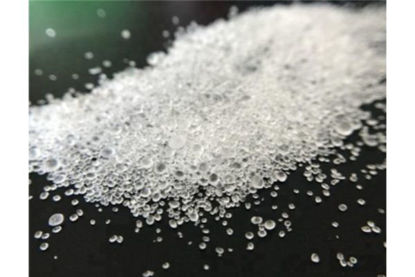
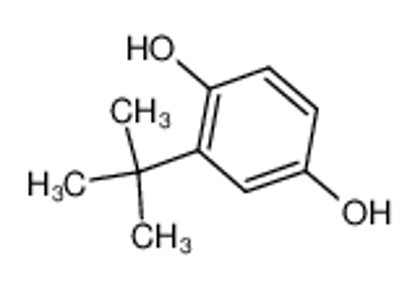
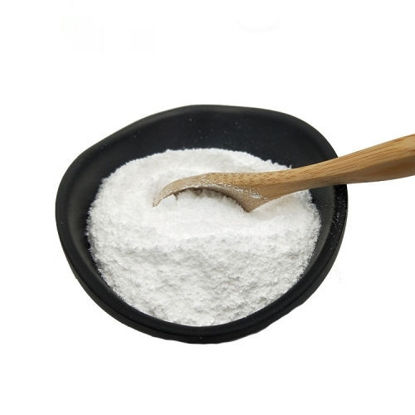
**** SECTION 9- PHYSICAL ANDCHEMICALPROPERTIES**** Physical State: Solid Color: off-white Odor: Faint characteristic odor. pH: Not available. VaporPressure: Not available. Viscosity: Not available. Boiling Point: 270 deg C Freezing/Melting Point: 48.00- 63.00°C Autoignition Temperature: Not applicable. Flash Point: Not applicable. Explosion Limits, lower: Not available. Explosion Limits, upper: Not available. Decomposition Temperature: Not available. Solubility in water: Insoluble in water. Specific Gravity/Density: 1.05 Molecular Formula: C11H16O2 Molecular Weight: 180.25 g/mole
**** SECTION 10- STABILITY AND REACTIVITY **** Chemical Stability: Stable under normal temperatures and pressures. Conditions to Avoid: Incompatible materials, light, dust generation. Incompatibilities with Other Materials: Strong oxidizing agents. Hazardous Decomposition Products: Carbon monoxide, irritating and toxic fumes and gases, carbon dioxide. Hazardous Polymerization: Has not been reported.
**** SECTION 11- TOXICOLOGICAL INFORMATION**** Routes of Entry: Inhalation. Ingestion. Toxicity to Animals: Acute oral toxicity (LD50): 1100 mg/kg [Mouse]. Chronic Effects on Humans: MUTAGENIC EFFECTS: Mutagenic for bacteria and/or yeast. May cause damage to the following organs: blood, liver, upper respiratory tract, skin. Other Toxic Effects on Humans: Hazardous in case of skin contact (irritant), of inhalation (lung irritant). Slightly hazardous in case of ingestion. Special Remarks on Toxicity to Animals: Not available. Special Remarks on Chronic Effects on Humans. May affect genetic material(mutagenic). May cause adverse reproductive effects based on animal test data. Special Remarks on other Toxic Effects on Humans: Acute Potential Health Effects: Skin: Causes skin irritation. It may cause depigmentation. Eyes: Causes eye irritation. May cause chemical conjunctivitis. Inhalation: Causes severe respiratory tract irritation. Ingestion: May be harmful if swallowed. May cause gastrointestinal tract irritation with nausea, vomiting, diarrhea. It may affect behavior/central nervous system (ataxia, altered sleep time), respiration (respiratory stimulation) Chronic Potential Health Effects: Skin: Prolonged or repeated skin contact may cause contact dermatitis, an allergic reaction. Ingestion: Prolonged or repeated ingestion may affect the blood (hemolysis with or without anemia), metabolism (weight loss), respiratory system, liver, thyroid, adrenal gland.
**** SECTION 12- ECOLOGICALINFORMATION**** Ecotoxicity: Not available. BOD5 and COD: Not available. Products of Biodegradation: Possibly hazardous short term degradation products are not likely. However, long term degradation products may arise. Toxicity of the Products of Biodegradation: The products of degradation are less toxic than the product itself. Special Remarks on the Products of Biodegradation: Not available.
**** SECTION 13- DISPOSAL CONSIDERATIONS **** Waste Disposal: Waste must be disposed of in accordance with federal, state and local environmental control regulations.
**** SECTION 14- TRANSPORTINFORMATION**** IATA Not regulated as a hazardous material. IMO Not regulated as a hazardous material. RID/ADR Not regulated as a hazardous material.
**** SECTION 15- REGULATORYINFORMATION**** European/International Regulations European Labeling in Accordance with EC Directives Irritating to eyes, respiratory system and skin. Safety Phrases: WGK(Water Danger/Protection) No information available.
**** SECTION 16- ADDITIONALINFORMATION **** MSDSCreation Date: 23/06/2004 Revision #1 Date: 01/06/2018. The information above is believed to be accurate and represents the best information currently available to us. However, we make no warranty of merchantability or any other warranty, express or implied, with respect to such information, and we assume no liability resulting from its use. Users should make their own investigations to determine the suitability of the information for their particular purposes. In no way shall the company be liable for any claims, losses, or damages of any third party or for lost profits or any special, indirect, incidental, consequential or exemplary damages, howsoever arising, even if the company has been advised of the possibility of such damages
-
BHA, commonly known as butyl hydroxyanisole, is a mixture of two isomers of 2-tert-butyl-4-hydroxyanisole and 3-tert-butyl-4-hydroxyanisole.It has excellent solubility in oils and fats and excellent "carry in" capability in baked and fried foods. BHA provides excellent stability for a variety of foods, fats, oils and food packaging materials, and can be used in many countries and regions such as the United States, the European Union, the United Kingdom, Australia, and Malaysia etc.
Product Features
● Strong antioxidant capacity with low concentrations
● Excellent shelf life extender
● Good stability at high temperature
● Excellent solubility, easy to use
● No peculiar smell after the product is added
● Strong "carry in" capability in baked and fried foods
● No coloration with metal ions
● Good antibacterial performance
Application
According to GB2760, BHA can be used in edible oils and fats, fried food, dried fish products, biscuits, instant noodles, instant rice, nuts, canned, processing.finally, and other products, in which the maximum usage is 0.2 g/kg. The maximum usage in chewing gum is 0.4 g/kg. BHA can also be used in food packaging materials.
Application methods
Direct Method:Add 0.05-0.20 g/kg to theoil directly until it iscompletely dissolved andmixed, or mix it with 5-10% oil beforeapplication.
Brine impregnation:Marinated meat productsand dried fish productsare added directly by0.05-0.20 g/kg orimmersed in brinecontaining 0.005-0.02%BHA.
Mixing method:For fried foods, biscuits,instant noodles, quick-cooked rice, canned driedfruits, add 0.05-0.20 g/kgof BHA to the oilused.Other foods such asham or sausage, BHA canbe added by mixing antioxidants with seasonings.
Dilution spray:The diluted BHA solutioncan be sprayed directlyon the inner surface offood packaging materials,or the packaging bag canbe filled with antioxidantsteam or sprayed withBHA on the packaging paper, of which thedosage is 0.02%-0.1%.
TESTED RESULTS
Item
Color
Odor
Structural state
Assay(BHA)
Melting Range
Sulphated ash
Arsenic (as As2O3)
Lead (as Pb)
Standard Limit
White or yellowish
Slight characteristic smell
Crystalline or waxy solid
≥98.5%
48~63°C
≤0.05%
≤2mg/kg
≤2 mg/kg
Result
98.7%
50.7~51.6°C
0.02%
<0.1 mg/kg
<0.1 mg/kg
Single comment
These products were tested according to the FCC standard.
Hot tags: butylated hydroxy anisole (bha), China, manufacturers, suppliers, factory, wholesale, low price, high quality